
"French-style coffee"
49 article(s) found

Coffee roasting stage shallow roasting accompany. Moderate baking. Deep baking
The baking of coffee beans can be divided into shallow baking according to the degree of baking. Moderate baking. There are three categories of deep baking. Generally speaking, the light baking color is lighter, the sour taste is strong, and it has a unique flavor. The deep baking color is darker, the deeper the sour taste is, and the more bitter it is, but the scorched smell of baking makes the aroma more intense. The only common term among coffee bakers is bottom, medium, and deep.
Knowledge of coffee roasting
Roasting: as the name implies, is to provide heat to coffee beans, so that a series of internal chemical changes, showing the unique color, aroma and taste of coffee. Every coffee bean contains fragrance, sour taste, sweet taste and bitter taste. How to release it incisively and vividly depends on the roasting heat. Coffee beans begin the caramelization process at 170200 degrees Celsius, at 185240 ℃.

Matters needing attention in the decoration of different styles of coffee shops Coffee management
If Starbucks in the high-end office complex has established people's first impression of coffee shop romance and petty bourgeoisie. Then on the island, soft sofas and economical and delicious business meals show people another kind of amorous feelings of coffee shops. In fact, Starbucks and Shangdao are just two versions of coffee shops. With the growing popularity of coffee culture in China, various specialty coffee shops are in the north.

Invest in coffee shop: make your own style
If Starbucks in the high-end office complex has established people's first impression of coffee shop romance and petty bourgeoisie. Then on the island, soft sofas and economical and delicious business meals show people another kind of amorous feelings of coffee shops. In fact, Starbucks and Shangdao are just two versions of coffee shops. With the growing popularity of coffee culture in China, various specialty coffee shops are in the north.

Roasting determines coffee taste Coffee Roasting basics
Generally, each coffee cherry contains two green beans, and the aroma is still hidden, waiting to be discovered. In raw beans, there is a lot of chloric acid. As it bakes, the chloric acid disappears, releasing familiar and pleasant fruit acids such as acetic acid, citric acid, and malic acid found in wine. Baked properly, these beautiful sour taste can be moderately presented; conversely,
Roasting of fine coffee beans determines the taste of coffee
Generally speaking, each coffee cherry contains two raw beans, and the fragrance is still hidden, waiting to be discovered. In raw beans, it contains a lot of chloric acid. As the baking process, chloric acid will gradually disappear, releasing familiar and pleasant fruit acid-such as acetic acid, citric acid, malic acid in wine. Baking is just right, it can present these beautiful sour taste moderately; on the contrary,
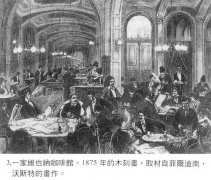
Coffee History Cafe History
At the beginning of the seventeenth century Constantinople was the capital of the most powerful empire in Europe. Coffee houses were already very popular in the Ottoman Empire when the British noticed them. The construction of a palatial café became the first act of Ottoman rulers to conquer a city to demonstrate the civilized nature of their rule. Some British travelers and merchants believed that Iraq
Roasting determines the taste of coffee
Generally speaking, each coffee cherry contains two raw beans, and the fragrance is still hidden, waiting to be discovered. In raw beans, it contains a lot of chloric acid. As the baking process, chloric acid will gradually disappear, releasing familiar and pleasant fruit acid-such as acetic acid, citric acid, malic acid in wine. Baking is just right, it can present these beautiful sour taste moderately; on the contrary,
The spread of Coffee Coffee Culture of Coffee all over the World
The Discovery and spread of Coffee how was coffee discovered? When people taste mellow coffee, they can't help but ask such questions. According to Roth de Neroy, a Roman linguist, around the sixth century AD, an Arab shepherd named Caldai was very excited and excited to see every goat when he went to graze on the grasslands of Ethiopia. It made him